

Stainless Steel Fabrication: Strong, Precise, and Versatile
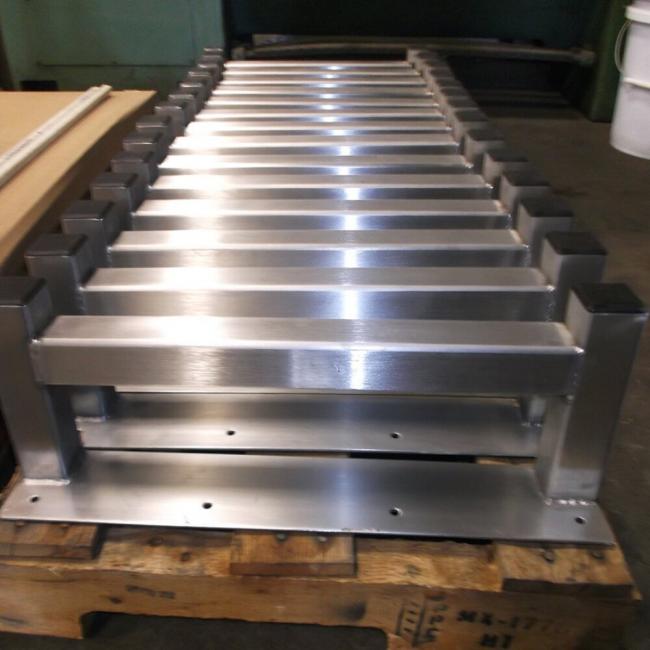
Stainless steel is one of the most widely used materials in modern manufacturing and construction. Known for its strength, corrosion resistance, and clean appearance, it is used in industries ranging from food processing and healthcare to construction and industrial manufacturing. Stainless steel fabrication allows manufacturers to transform raw stainless steel into more complex components, structures, and equipment designed to meet specific project needs.
What Makes Stainless Steel Fabrication Different?
Stainless steel fabrication refers to the process of cutting, shaping, assembling, and finishing stainless steel materials to create finished products or components. Fabrication involves a variety of techniques that transform flat sheets, tubes, or bars into structures or equipment used in real-world applications.
Unlike basic metal cutting, fabrication often involves multiple steps, including forming, welding, machining, and finishing. These processes allow manufacturers to produce complex designs that meet specific engineering and structural requirements.
Stainless steel is particularly well-suited to fabrication because it combines strength with resistance to corrosion, making it suitable for environments where durability and hygiene are important.
Common Stainless Steel Fabrication Processes
Several fabrication techniques are used to shape stainless steel into functional products.
Cutting and Shaping
Cutting is usually the first step in stainless steel fabrication. Techniques such as laser cutting, plasma cutting, and waterjet cutting allow fabricators to create precise shapes and dimensions from stainless steel sheets or plates.
Bending and Forming
After cutting, stainless steel components are often bent or formed into specific shapes using press brakes or rolling machines. These processes allow fabricators to create angles, curves, and structural forms required for different products.
Welding and Assembly
Welding is a critical part of stainless steel fabrication. Skilled welders join separate components together to create durable structures or assemblies. Proper welding techniques ensure strength while maintaining the corrosion resistance of the stainless steel.
Finishing and Polishing
The final step in fabrication often involves finishing processes such as grinding, polishing, or brushing. These finishing techniques improve the appearance of the stainless steel and can also enhance corrosion resistance depending on the application.
Advantages of Stainless Steel Fabrication
Stainless steel fabrication offers several benefits that make it a preferred choice in many industries.
Corrosion Resistance
One of the most important advantages of stainless steel is its resistance to rust and corrosion. This makes fabricated components suitable for environments exposed to moisture, chemicals, or harsh conditions.
Strength and Durability
Stainless steel provides excellent structural strength, allowing fabricated parts to withstand heavy loads and demanding operational environments.
Hygienic Properties
Because stainless steel is non-porous and easy to clean, it is widely used in industries where hygiene is essential, such as food processing, pharmaceuticals, and healthcare.
Custom Design Flexibility
Fabrication allows stainless steel to be shaped into highly customized components. This flexibility enables manufacturers to create equipment and structures tailored to specific operational needs.
Applications of Stainless Steel Fabrication
Stainless steel fabrication is used across many sectors where durability and performance are critical.
Food Processing Equipment
Food production facilities rely heavily on stainless steel equipment because it resists corrosion and meets strict hygiene standards.
Industrial Machinery Components
Fabricated stainless steel parts are often used in machinery, processing equipment, and manufacturing systems.
Architectural and Structural Features
Stainless steel fabrication is also used in architectural projects for railings, structural frames, decorative panels, and building features.
Medical and Laboratory Equipment
The hygienic and corrosion-resistant properties of stainless steel make it suitable for surgical instruments, laboratory equipment, and medical facilities.
Choosing a Stainless Steel Fabrication Partner
Successful fabrication projects require technical expertise as well as advanced equipment. Fabricators must understand material properties, fabrication techniques, and the performance requirements of the final product.
Working with seasoned stainless steel fabrication experts helps ensure that components are manufactured to required specifications and meet the durability and quality standards required for industrial applications. Baseline Custom Fabricating Ltd. is a name you can trust for all your stainless steel fabrication needs in Toronto, GTA, Ontario. Call (905) 434-2556 to get a free quote today. We also offer laser cutting at the best rates.
FAQs
What is stainless steel fabrication?
Stainless steel fabrication is the process of cutting, bending, welding, and finishing stainless steel to create custom components, structures, and equipment used in industrial, architectural, and commercial applications.
Why is stainless steel commonly used in fabrication projects?
Stainless steel is widely used because it offers excellent corrosion resistance, strong structural performance, and hygienic properties. It is also durable and suitable for environments exposed to moisture, chemicals, or heavy use.
Where can I find reliable laser cutting services in Toronto and the GTA?
For precision laser cutting and stainless steel fabrication, Baseline Custom Fabricating in Courtice, Ontario, is a trusted provider serving Toronto, the GTA, and surrounding areas with high-quality custom metal solutions.